Being Niche, embracing Scarcity and always World-Class
The thing nobody sees until something goes wrong
Subject:
Safety and Quality
A transparent explanation of how our products and services are designed, built and verified to meet high standards. We outline safety and quality processes that build trust, reduce perceived risk and reassure our customers by showing the care, expertise and systems behind the final outcome.
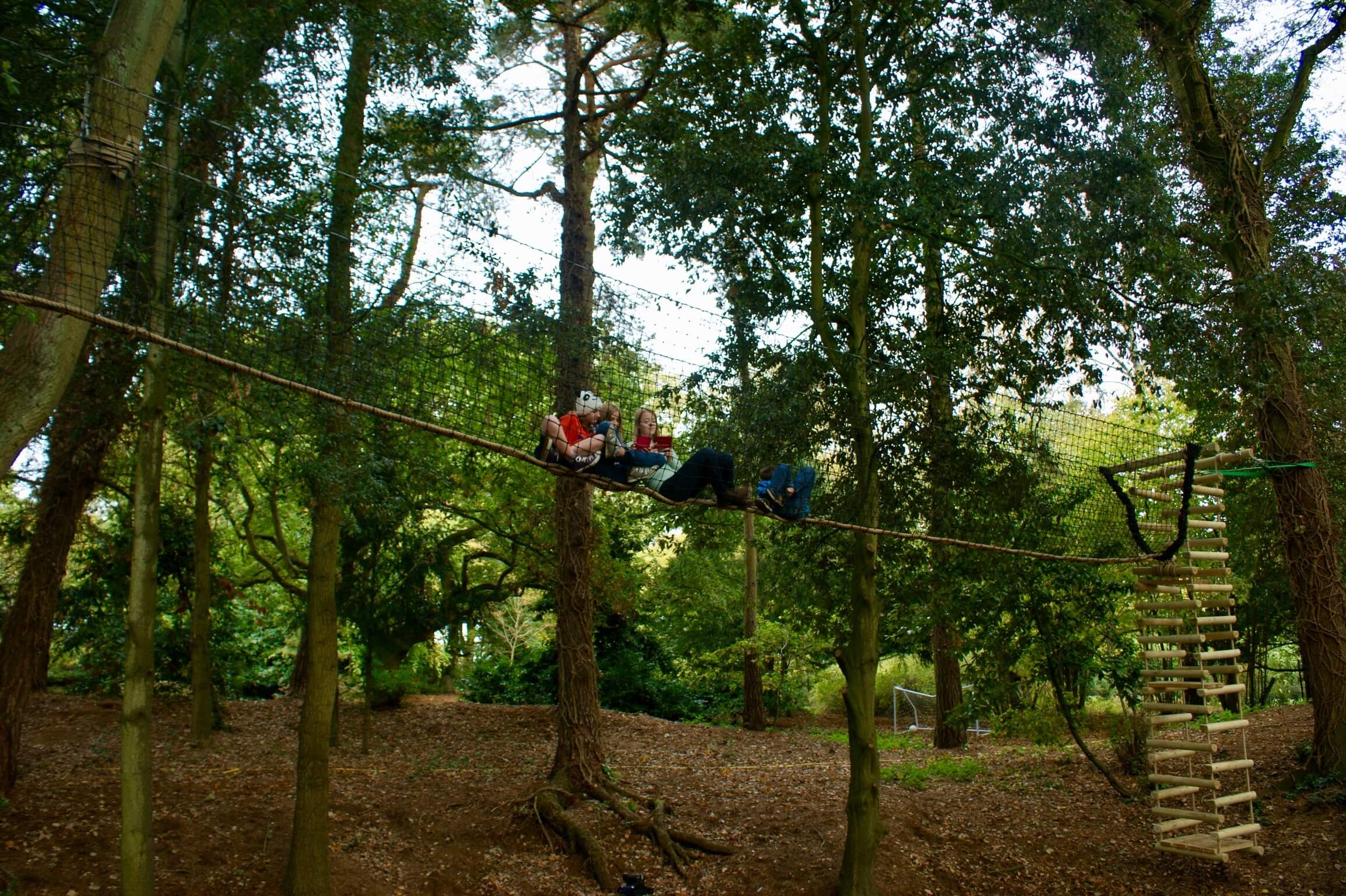
My brother asked me a question last autumn that stopped me mid-sentence. We were standing in a garden. Looking up at a platform we'd just finished. Nice morning, coffee going cold in my hand. And he said - not unkindly, just genuinely curious - "how do you actually know it's safe?" Not how do you make it safe. How do you know.
I didn't have a quick answer. Which surprised me, because I've been thinking about this stuff for years. But the question landed differently than I expected. It wasn't asking about our process. It was asking about certainty. About the gap between what you can see and what you have to take on faith.
I'm still thinking about that morning, honestly.
Where Safety Actually Starts:
Most people assume safety is something you apply at the end. A check. A signature. A laminated certificate that lives in a folder.
We start somewhere different.
Before any design gets drawn - before the client has even seen a sketch - we're already working through the structural questions. How does this span behave when a child runs across it, not walks? What happens to that fixing point in three winters of wet and freeze? Where does the force go when two kids decide to jump at the same moment from the same spot?
Kids do that. All the time. Nobody ever designed for it in a specification document, but any parent watching a treehouse for ten minutes knows it's true.
That's what I mean by starting early. Not paperwork. Thinking.
The Conversations That Don't Make The Brochure:
I had a client a while back - lovely family, fantastic site, real vision for what they wanted. And part of what they wanted, we said no to.
Not because it wasn't beautiful. It was. But the way the structure would have needed to sit in that particular tree, with that particular lean, over that particular drop, it introduced a risk we weren't comfortable with. Nothing obvious. Nothing that would have failed an inspection on day one. But something that would have bothered us at two in the morning five years from now.
We said no. We redesigned. They were frustrated for about a week, then genuinely grateful.
I think that's where quality actually lives, not in the things we say yes to, but in the ones we don't. The materials that look the part but won't hold up in a real winter. The span that works on paper but flexes wrong under load. The detail that photographs well and performs badly.
Saying no is slow. It costs time. Sometimes it costs a client. But I haven't found a better way to build things I'm proud of.
What The Inspections Don't Catch:
We work with structural engineers. We follow the relevant standards. Our builds get signed off. All of that matters and none of it is the whole story.
Because an inspection is a snapshot. One morning. Ideal conditions, usually. Nobody running, nobody bouncing, nobody doing the thing you didn't predict.
What we care about is the years between inspections. The slow movement of timber as it dries. The way a rope ages differently in shade than in sun. The joint that was perfect at installation and needs looking at again after a particularly hard frost.
We tell clients this. Not to alarm them, to involve them. A treehouse that's looked after is a different thing from one that isn't. Part of what we do is hand over the knowledge alongside the structure. What to watch for. What's normal settling and what isn't. When to call us.
That conversation, for me, is as much a part of the build as the engineering.
The Bit About Perfection:
We don't talk about perfection. I'm wary of that word.
What we talk about is moments of excellence - getting specific things genuinely right, one at a time. The fixing that sits exactly where it needs to. The grain of the timber chosen not just for colour but for how that species behaves over time in this kind of exposure. The handrail height that isn't just compliant but actually feels right for a seven-year-old's hand.
None of that is perfection. All of it is care.
And I wonder sometimes if that's the real thing families are buying when they come to us. Not just a structure in a tree. But evidence of care. Proof that someone thought hard about the thing they couldn't see, before they ever arrived to see it.
My brothers question was a good one. How do you know?
You don't, completely. But you build as though you will be asked, by someone you respect, on a cold morning, with a coffee going cold - and you want to be able to answer honestly.
That's the standard we work to.