Being Niche, embracing Scarcity and always World-Class
When a Gazebo Becomes a Tiki-House
Subject:
Design
Designed globally. Built precisely. Delivered worldwide - Where tropical architecture is taken seriously. Where engineering hides in plain sight. Where restraint creates presence.
A man rang us up about a year and a half ago wanting a tiki bar for his hotel. I almost said no.
Not because there's anything wrong with the work in principle. We've done a small number of these and the ones we've done I'm proud of. But the call had a specific energy I've come to recognise and it usually means trouble. He'd been on holiday in the Caribbean, taken a photograph of a thatched bar on his phone, and the photograph was now the brief. He wanted that bar, but in Surrey. With planning permission.
I'm not having a go at him. We all do this. I once tried to recreate a pasta dish from a small restaurant in Sicily and ended up with something that tasted like a tomato thinking about itself. The thing about places we've enjoyed is that we always think we can take them home with us. We almost never can, because the thing wasn't really the thing - the thing was the heat and a glass of something cold and the fact you were on holiday.
We had a long phone call and I asked him a question I've started asking on calls like this. Have you considered that you might want a Wednesday afternoon in February in Antigua, and not a bamboo roof?
He laughed, which was a good sign. But he still wanted the structure.
So we did it. And it's good - I think it's good - but I had to work harder than I expected to make it good, because the brief itself was fighting me. About three weeks in I rang a colleague who knows a lot more about Pacific vernacular architecture than I do and said, look, what am I actually building here. He said, you're building the thing the client wants, which is a memory of a holiday. Your job is to make sure the building underneath the memory is honest enough that it doesn't embarrass you in ten years.
There's a quieter question sitting underneath all of this that I don't have a clean answer to. The tiki aesthetic in most Western hotels is borrowed - fairly directly - from Polynesian building traditions that weren't really anyone's to borrow. You can't ignore that. You also can't pretend it isn't a thing people have wanted for seventy years and will probably go on wanting.
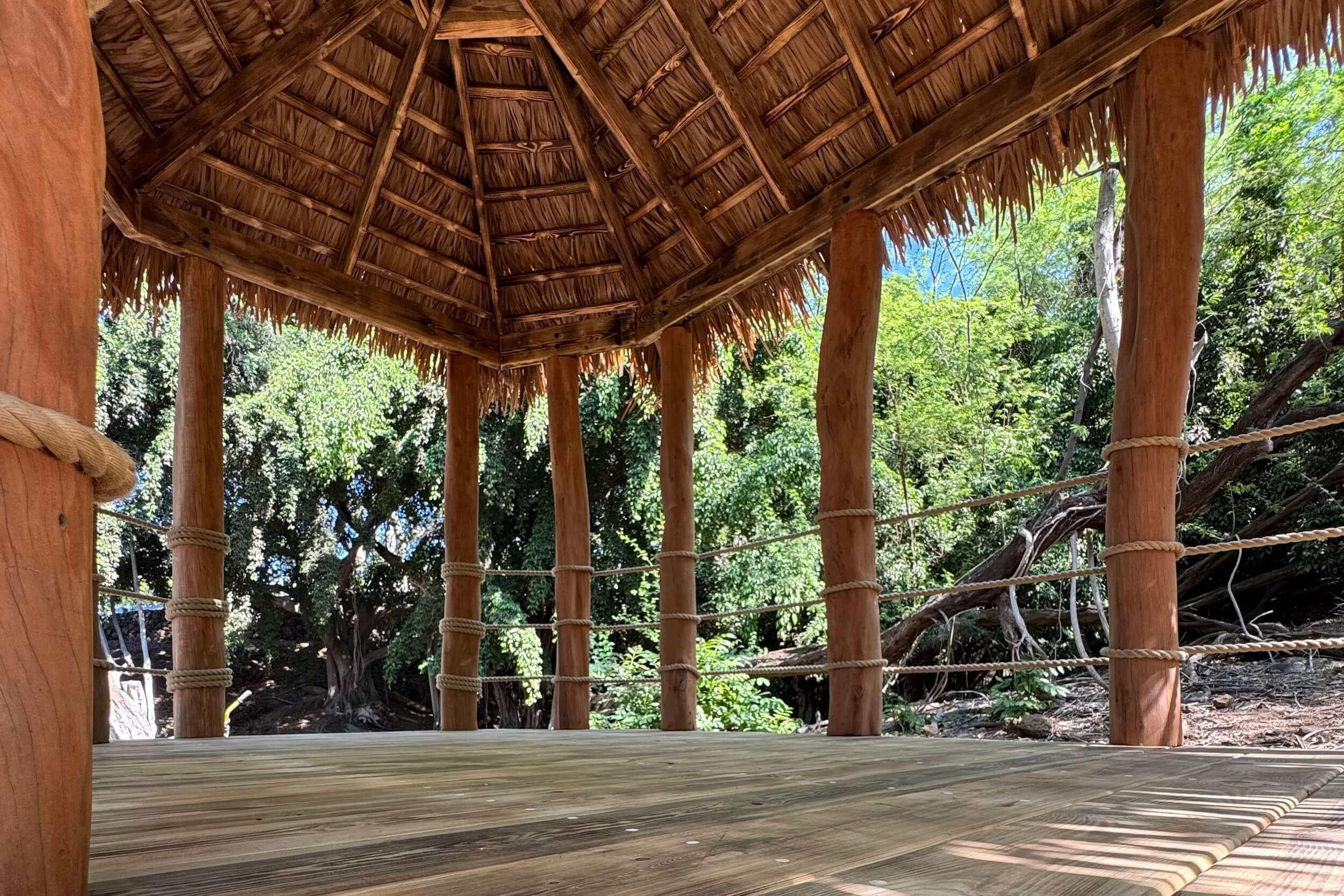
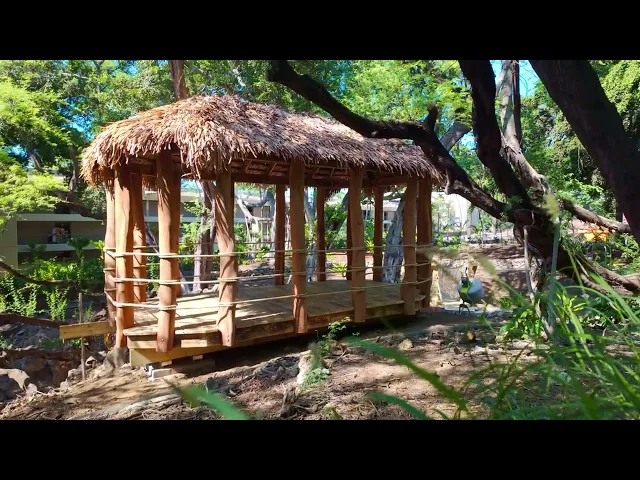
What you can do, I think, is build the structure with enough respect for the climate engineering that sits underneath the look. A properly thatched roof is doing real work. So is an elevated floor. The brief lands on the desk saying tiki and what we try to deliver, when we deliver well, is a small piece of climate-responsive architecture that happens to have thatch on top. Whether that's what the client originally asked for is a question I don't always have an answer to.
The hotel opened last spring. The bar gets used. The man who rang sent me a photograph at Christmas with a note saying it was the busiest part of the property all summer.
I don't know if that means we got the building right. It might just mean it was warm.