Being Niche, embracing Scarcity and always World-Class
Designed to be crossed. Engineered to endure. Built to become part of the landscape's story
Subject:
Design
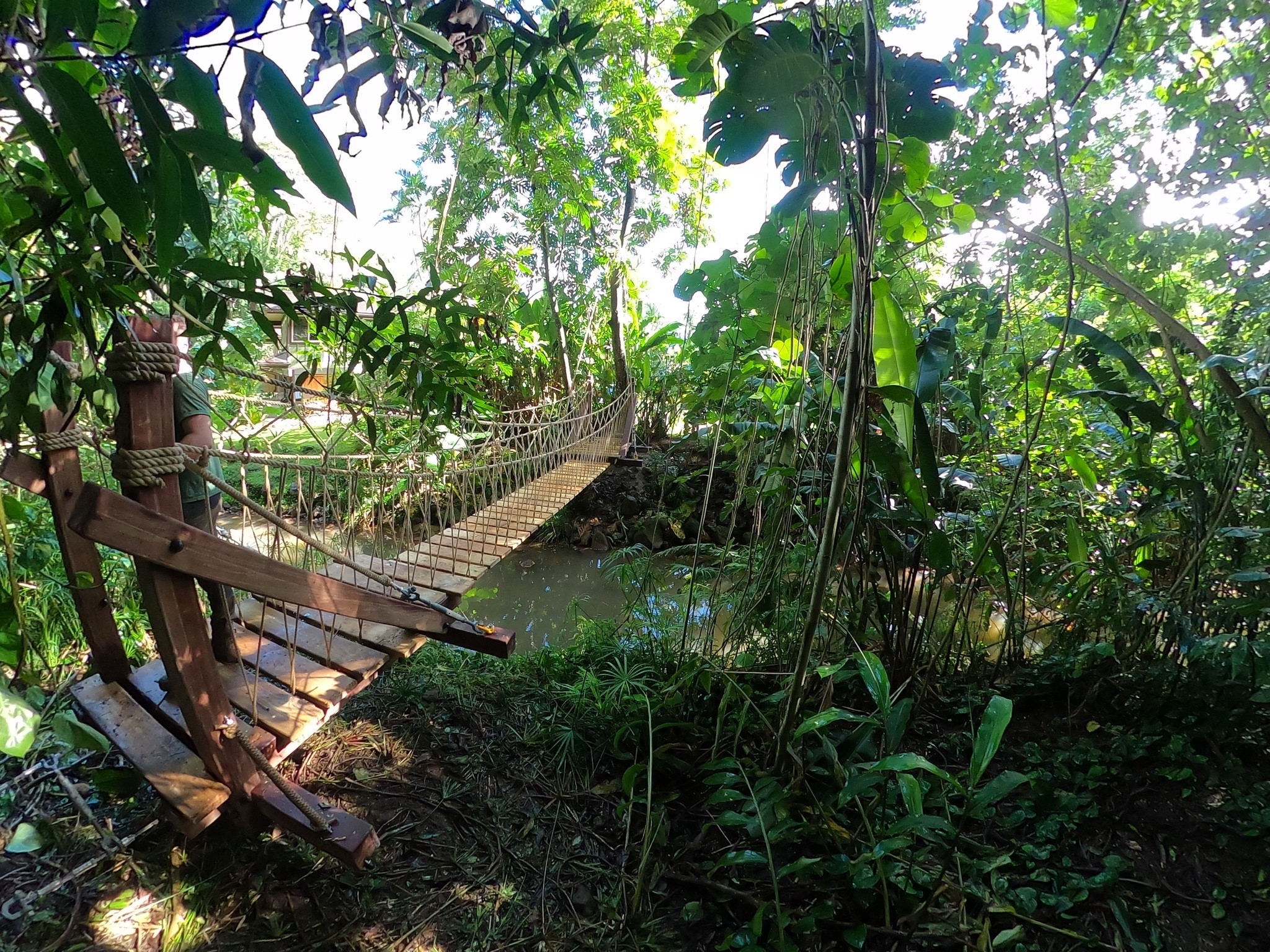
There's something profound about a Rope Bridge. It asks you to believe in what you cannot see - the cables, the anchors, the engineering hidden in the landscape. And when you take that first step and then the second and then you're mid-span above water or canyon or canopy...something shifts. You realise the limitation wasn't the land. It was imagination.
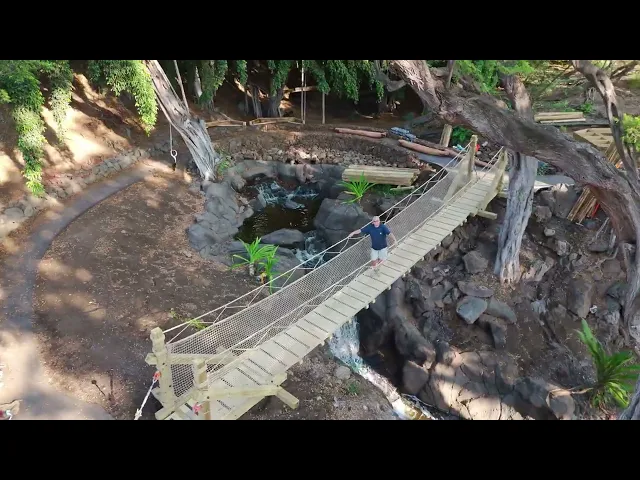
We've spent two decades removing that limitation. Building connections that seemed impossible. Creating access that preserves rather than destroys. Engineering trust into every plank and cable. Whether you're a family wanting to reach the island in your garden, or an attraction needing to move 50,000 visitors a year across a ravine - the principle is the same. The land doesn't have to say no. Not anymore.
I've started flinching slightly when people use the word bridge on the phone.
Not in a bad way. It's just that the word almost never means what it appears to mean and I've learned, over time, to wait before responding to it. People say bridge and they mean all sorts of different things. Sometimes a footbridge. Sometimes a connection between two bits of garden that don't currently talk to each other. One man last year said bridge and what he actually meant, it turned out, was that his wife wanted somewhere quiet to read in the mornings and he'd worked backwards from her wanting that, via some unrelated thinking about Monet, and arrived at a bridge. Possibly incorrectly.
I do it too. I use words for things I haven't fully worked out and then have to climb back through the sentence to find out what I meant.
But bridge is a particular one because there's an architectural assumption inside the word. A bridge implies a gap. The minute someone says bridge they've already told you they think the problem is the distance between two places. Often it is. Sometimes the gap is just where the problem is most visible, and the real problem is elsewhere.
A woman rang last summer about a bridge across a small pond. It wasn't a long pond. You could walk round it in under a minute. The question that came out about half an hour into the call was why she wanted to go across rather than round, and she said, more or less, that walking round felt like giving up. I thought about that for days. Still thinking about it.
Rope bridges, which is supposedly the thing I know about, are answers to a slightly different question than the one being asked. People ring about rope bridges when they've already decided a conventional structure won't do — the land, the ravine, a bit of woodland that can't be touched. By the time someone uses those exact words on the phone they've had the conversation with themselves about why a normal bridge won't work. Which makes them easier calls in one sense and harder in another, because the question has been narrowed before we've had a chance to widen it.
A man at a heritage estate rang us a few months ago who'd been quoted for three separate bridges by three firms. Nobody had asked him whether the bridge was the right question. He didn't need a bridge. He needed to move a gate. He sent me a Christmas card.
The most useful question I ask on calls now is the one that probably sounds the rudest. What are you actually trying to do.Said flat, not as a challenge. Just - what's the outcome you want, separate from the thing you've decided is the answer.
Some people find this irritating and I understand why. They've rung up to commission a piece of work and the bloke on the other end is asking them to back up two steps. It's not a particularly British way of doing business.
But the alternative is building three bridges across a pond.
The woman with the pond, incidentally, still hasn't decided. We've been emailing on and off since June.